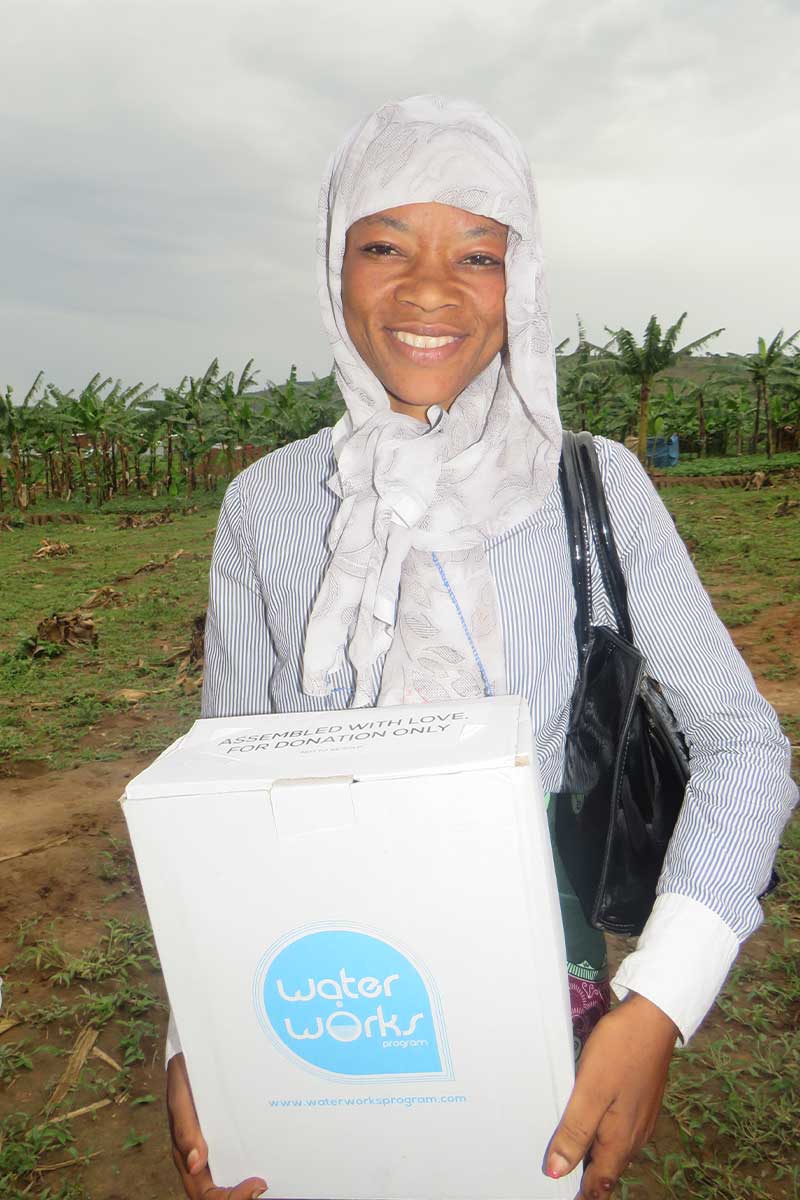
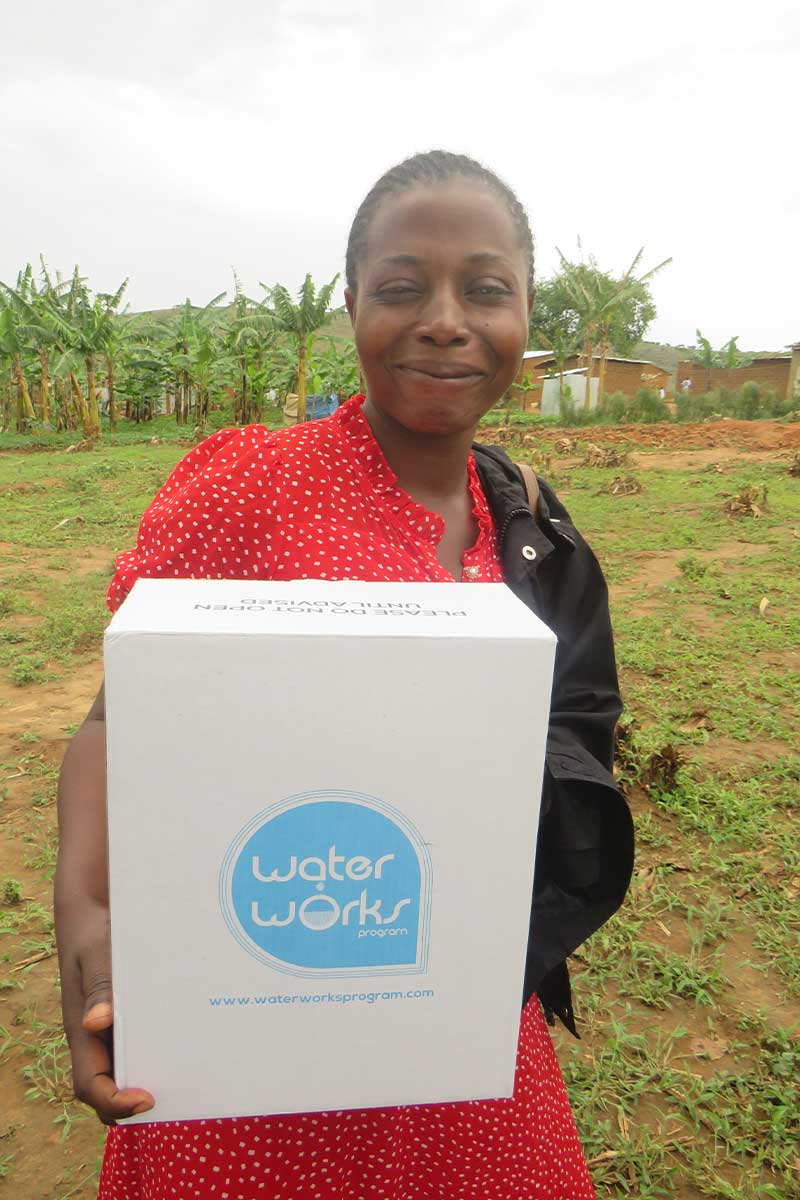
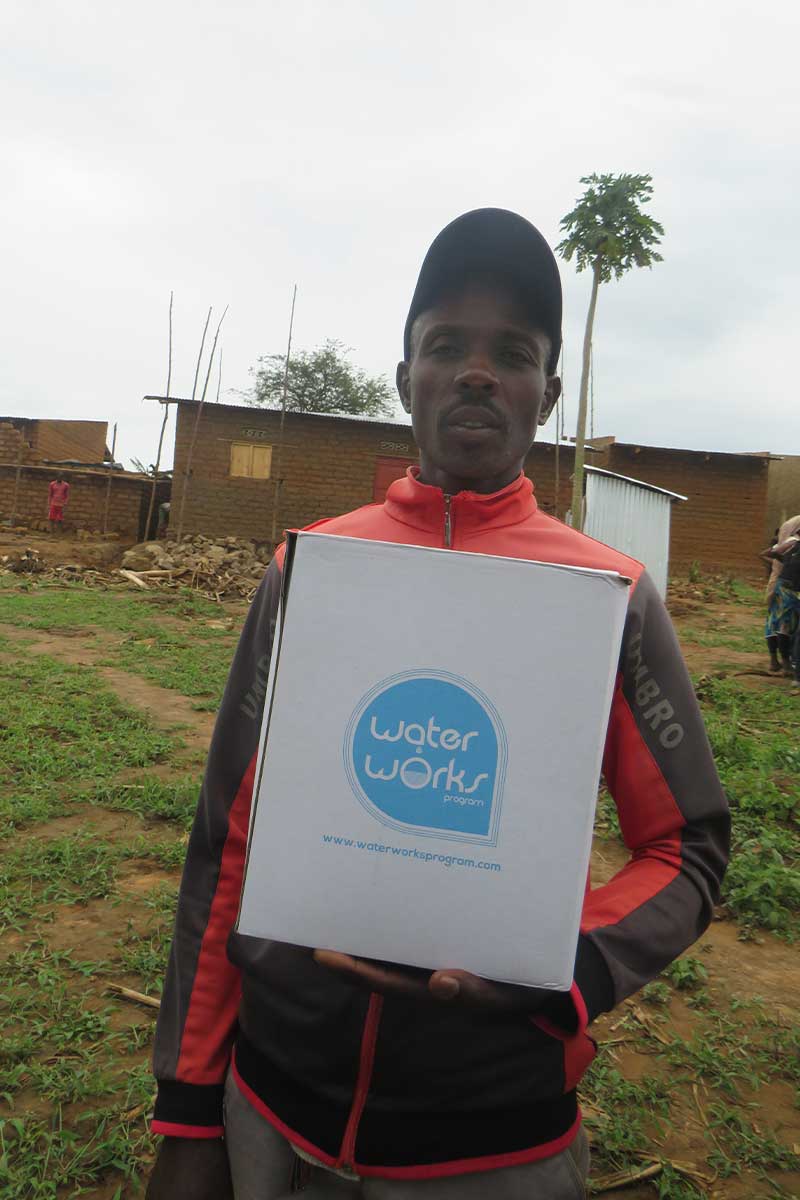
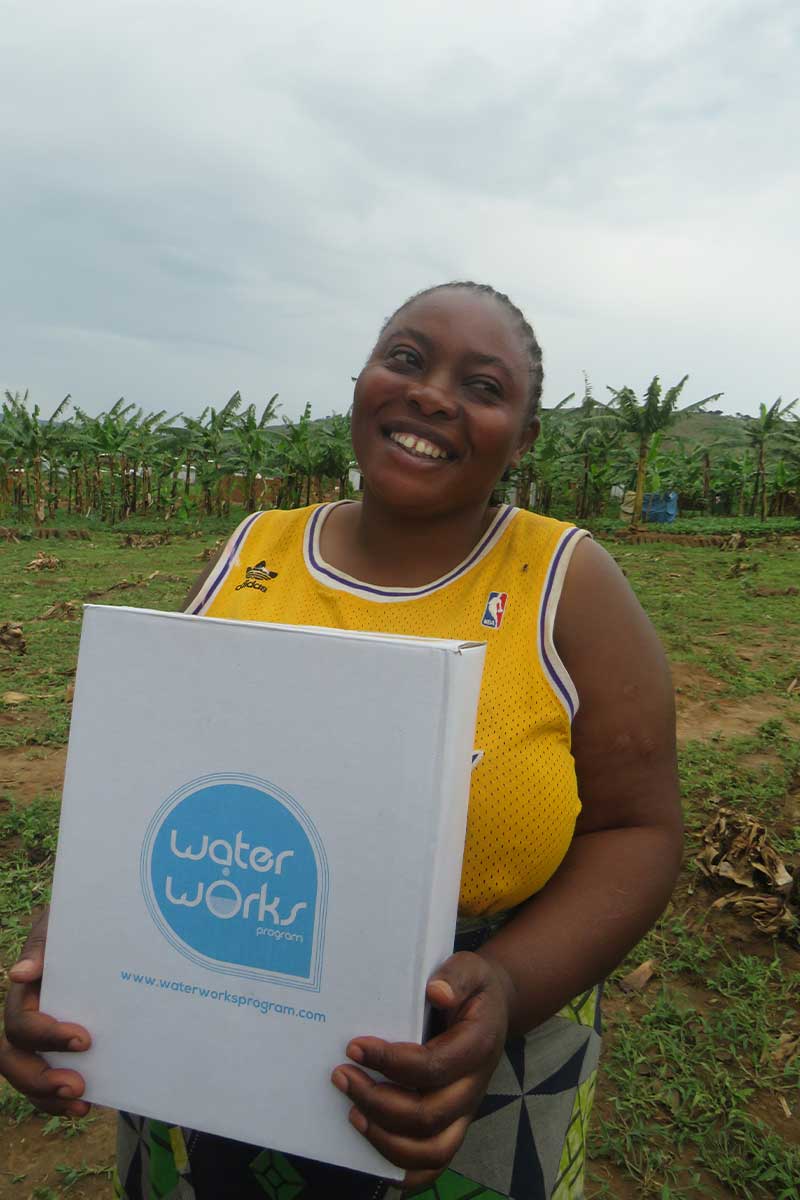
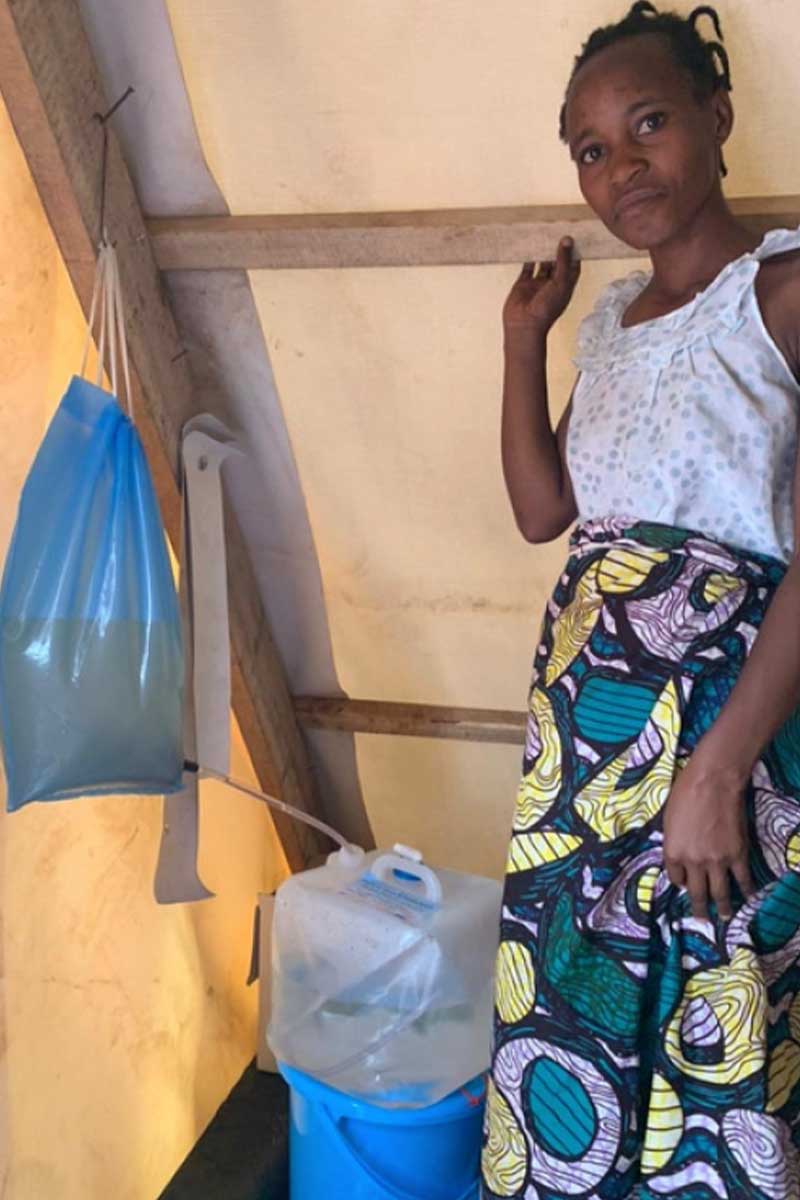
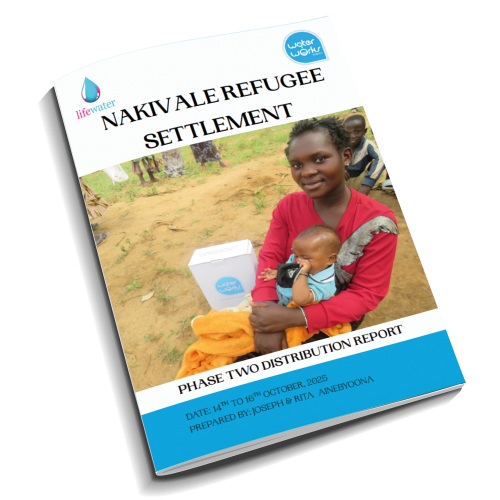
Nakivale Distribution October 2025
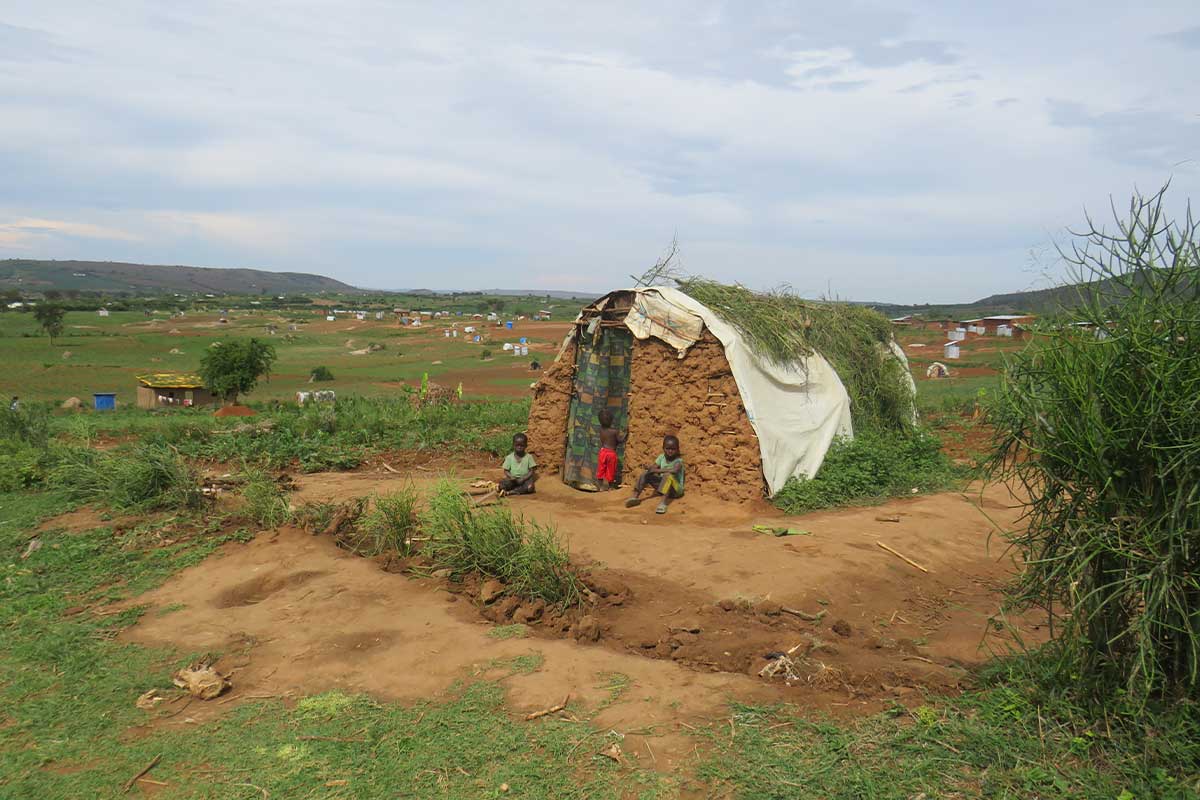
Nakivale Refugee Settlement, situated in Isingiro District of southwestern Uganda, is one of the nation’s oldest and largest settlements. As of September 30, 2025, the settlement hosts a total population of 272,361 individuals across 103,156 households, primarily hosting individuals from the Democratic Republic of Congo 207,122 and Burundi 35,435, along with communities from Rwanda and Somalia.
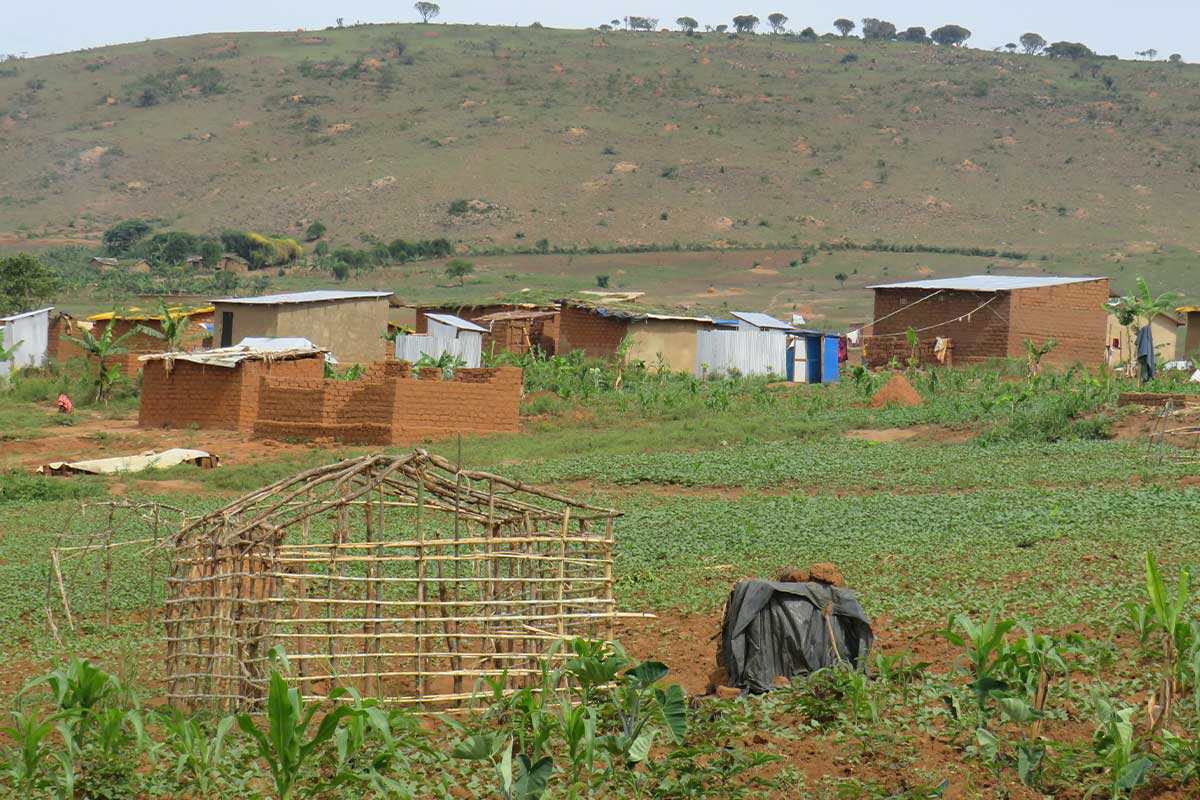
The settlement is vast, with the population concentrated in three main zones: Rubondo 104,964 individuals, Juru 97,651 individuals, and Base Camp 68,335. This vast area relies on a mixed approach to water provision, utilising treatment plants, motorized and manual boreholes, shallow wells, and institutional rainwater-harvesting systems.
WASH (water, sanitation, and hygiene) conditions in Nakivale remain mixed and critically deficient. Despite the presence of piped-water systems and treatment infrastructure, limited production capacity, high operational costs, and periodic rationing mean that many households must still rely on boreholes or point-of-use treatment methods like Aquatabs for safe drinking water.
Vulnerability Profile: The population is highly vulnerable, with 74% Women and Children and 24 youth (15-24 years). Furthermore, the official records highlight substantial specific needs, including 19,250 individuals with a Disability and 8,883 Women at Risk, necessitating targeted and dignified service delivery.
A Grandmothers Resilience
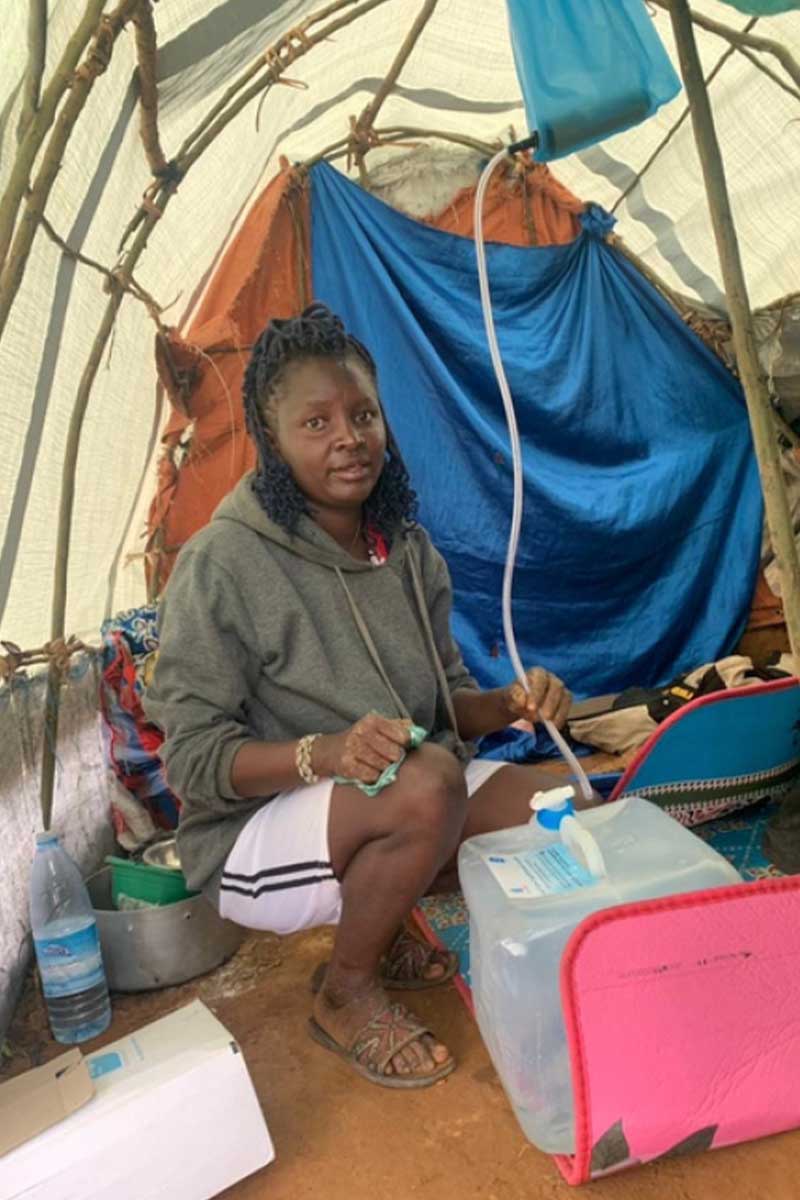
Meet a lovely grandmother whose spirit shines brightly, even in tough times. After receiving the lifewater system, her joy was short-lived as rats damaged her collapsible jerrycan, threatening her family’s access to clean and safe drinking water. Amazingly, her determination never wavered.
With creativity, she repurposed old jerrycans to make sure her grandchildren continously have safe drinking water.
Her story is a touching reminder of resilience and resourcefulness. During the visit, our team advised her to keep the containers clean to avoid secondary contamination of water.
Happy Beneficiaries!